OpenClaw in Sales: The Agent Revolution

If you’ve been following the AI space lately, you’ve likely already heard the hype surrounding OpenClaw. While the market is being flooded with chatbots and generic writing assistants, OpenClaw represents a fundamental paradigm shift in how we work with artificial intelligence.
For sales leaders and RevOps experts, this isn't just another tech trend. It’s a concrete glimpse into the future of autonomous revenue teams.
But what makes OpenClaw so special, and why is it making such waves? Here are my four reasons why this agent is a game-changer for sales.
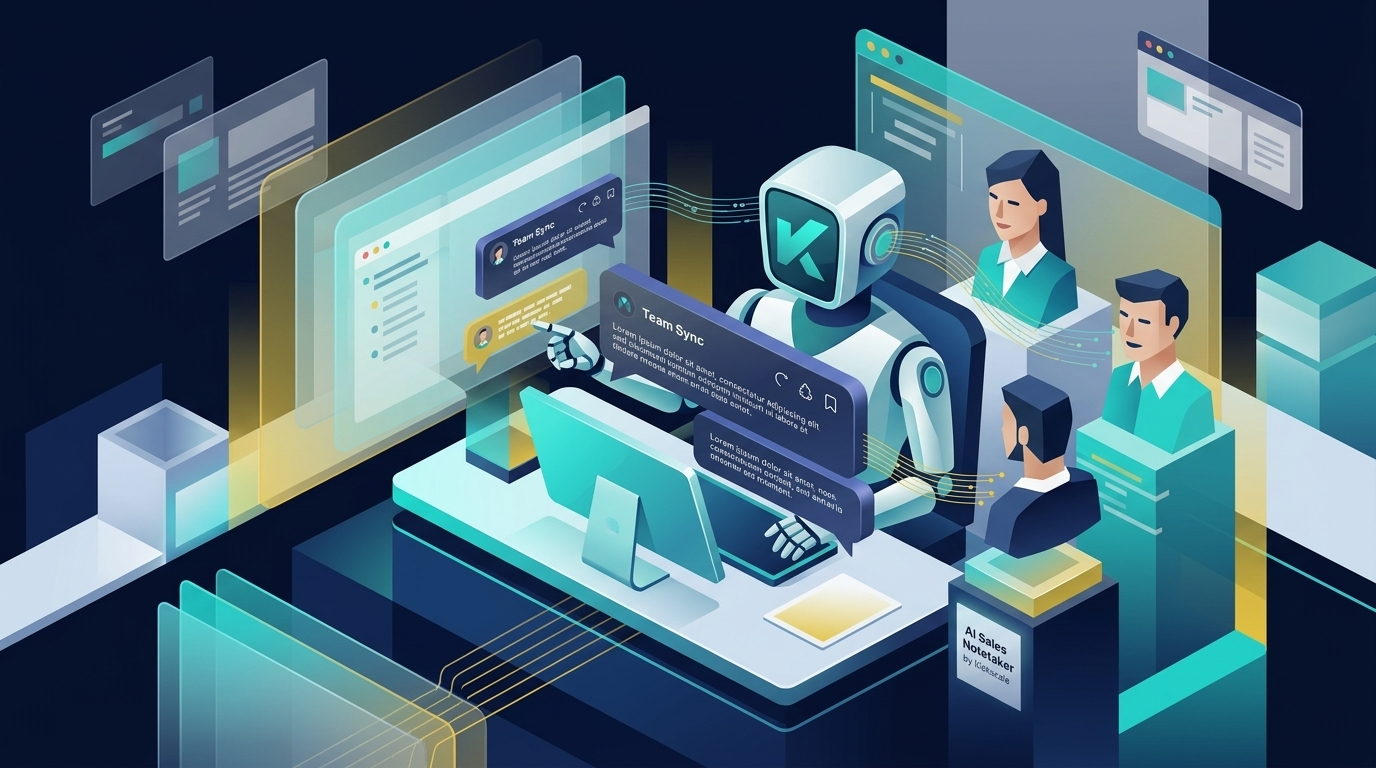
1. Action meets natural interaction
Most people know AI from isolated browser tabs: prompt in, text out. OpenClaw turns this model on its head.
The first difference is the channel. When you work with an AI assistant directly in Slack, Telegram, or the messaging tools your team already uses daily, the collaboration feels fundamentally different. The friction of having to log into "yet another tool" is completely eliminated.
But the decisive difference is something else: OpenClaw doesn't just talk; it acts. With minimal supervision, it executes complex, autonomous workflows. For example, we use it to automatically pre-fill time-consuming security questionnaires based on our ISO guidelines, flagging only the missing information for us. This turns the AI from a conversational partner into a true operator.
2. The first step toward self-learning AI
Standard AI models are static. Corrections you provide today are forgotten by tomorrow in the next chat window.
OpenClaw can actively adapt its behavior based on your feedback. Through configurable persona files and the ability to write and refine your own "skills," it learns directly from your processes. When you point out a quality gap, it updates its internal instructions so that the same mistake doesn't happen again next time.
This adaptability feels like the first real step toward self-learning AI in the workplace.
3. Persistent memory & persona
For an AI to be truly useful to a sales team, it needs context. OpenClaw solves this better than most other tools on the market through a persistent long-term memory.
It knows your company's history, your products, and your past interactions. When you ask it to draft a follow-up or research an account, it doesn't need a five-paragraph prompt explaining who you are.
By giving the agent its own persona, a noticeable psychological shift occurs. It no longer feels like a software subscription, but like a highly efficient colleague who has been in the room for every meeting.
4. Control and configurability: The double-edged sword
Since OpenClaw is an open-source, local-first framework, you have absolute control over how it works. You aren't dependent on a vendor's product roadmap. If you need to connect it to an internal tool, you simply build a skill for it.
However, this total configurability has a real catch: The benefit of maximum control comes with high setup and maintenance costs. To operate OpenClaw securely and at scale, you need deep technical expertise and must actively manage significant security risks. It’s a powerful engine, but it requires qualified mechanics.
The future of AI at Kickscale
This agent-based, deeply integrated approach is exactly the direction we are taking with our own AI Revenue Intelligence platform.
Our goal has never been to replace human labor, but to fundamentally empower the team you already have. By offloading heavy administrative and operational work to intelligent, persistent agents, your sales reps can focus 100% on what truly matters: creating value and building genuine customer relationships.
Frequently Asked Questions
What sets OpenClaw apart from traditional sales AI tools?

Unlike passive chatbots confined to isolated tabs, OpenClaw acts as an intelligent agent that autonomously executes complex workflows—such as pre-filling security questionnaires—directly within tools like Slack.
This is some text inside of a div block.
How does the AI learn from sales team feedback?
Unlike static models, OpenClaw actively adapts its behavior. Through configurable "skills," the agent learns from internal processes, permanently stores corrections, and automatically applies them to future tasks.
This is some text inside of a div block.
Why is "persistent memory" important for AI agents?
Long-term memory stores context, company history, and past interactions. This eliminates the need for lengthy explanatory prompts—the agent immediately understands the context when drafting follow-ups or researching accounts.
This is some text inside of a div block.
What are the challenges of using OpenClaw?
The total control of an open-source, local-first framework requires technical expertise. Operating these agents securely and scalably while managing security risks demands skilled engineers and a higher initial setup effort.
This is some text inside of a div block.
When will the new Kickscale agent launch?
The first version of the new agent-based Kickscale AI assistant will be released in early May as part of an early access program.
This is some text inside of a div block.
This is some text inside of a div block.
This is some text inside of a div block.
Fabian is the co-founder and CTO of the Vienna-based scaleup Kickscale, which develops AI-powered revenue intelligence technology for European sales teams. Originally starting as a software developer at Kickscale, he was promoted to CTO and co-founder in 2023, where he played a key role in driving the technological pivot to a SaaS platform. As a passionate AI enthusiast, he believes that technology should serve people and loves transforming complex technical challenges into simple, intuitive solutions for sales teams.




Your sales team deserves clarity instead of guessing games
With our AI revenue intelligence platform, we help innovative sales teams make better decisions and close more deals.
Data-driven better pipeline decisions.
Latest articles for sales leaders who want to improve the quality of their CRM data, forecasts, and revenue operations.
.png)

.png)

Your sales team deserves clarity instead of guessing games
With our AI revenue intelligence platform, we help innovative sales teams make better decisions and close more deals. Experience the difference:

Deep customer understanding
Identify why customers buy or what prevents them from doing so – from all conversations

Objective forecasts
Finally make decisions based on hard facts instead of gut feeling

Deal prioritization
Focus your team on the opportunities with the highest potential